
"Ethiopian bean varieties"
3000 article(s) found

The three primary species of coffee. What are the original species of coffee beans?
Professional coffee knowledge exchange more coffee bean information Please follow the coffee workshop (Wechat official account cafe_style) when we talk about Ethiopian coffee, some people will use the words jasmine, rose fruit, magnolia and other words to describe the smell of flowers, but have you ever wondered why these specific varieties with floral flavor are often summed up as "native species"? In the third Boca

Essel Coffee Bean Brand recommendation _ how to choose Ethiopian Coffee beans _ list of flavors of Ethiopian Coffee producing areas
For more information on coffee beans, please follow the Coffee Workshop (Wechat official account cafe_style). A sixteenth-century Lebanese scholar, Faustus Nairous Barlesius, wrote in his book the Sleepless Monastery that the origin of coffee was discovered by shepherds living in the Ethiopian highlands in the sixth century. ● coffee starts here in Ethiopia.

What is the most famous coffee variety in Ethiopia? a brief introduction to the type and flavor of Ethiopian coffee
Professional coffee knowledge exchange more coffee bean information please follow the coffee workshop (Wechat official account cafe_style) Qianjiaxiefi Red Cherry varieties, Ethiopian Coffee varieties introduction in the coffee industry, the term native species is applicable to varieties introduced in South America and Asia more than a century ago, as well as to many coffee varieties in Africa, especially coffee from Ethiopia

Ethiopian Coffee Flavor Flavor Manor introduces Ethiopian Coffee varieties
Washed coffee accounts for 35% of exports. Good quality washed coffee is processed with freshly picked fully ripe fruit, picked carefully and closely monitored by professionals. The picked clean coffee beans are pulped on the day of picking, then fermented, washed, dried and peeled. The humidity of processed coffee beans is kept at about 12%. Sun-cured coffee accounts for 65% of exports. Mainly by

Ethiopian coffee origin Ethiopian coffee processing methods Processing methods
The bulk of coffee production (95%) is done by small shareholders, with an average yield of 561 kg/ha. For centuries, small shareholders of Ethiopian coffee farms have been producing a variety of high-quality coffee types. The secret to producing good coffee is that coffee farmers have developed environmental conditions through generations of repeated learning of the coffee growing process.

Introduction to the grinding scale for the description of taste and flavor of Ethiopian coffee beans
Ethiopian coffee bean variety classification characteristics taste description grinding scale introduction Ethiopian washed Jima mocha, looks very clean, but some untidy, while untidiness is a nightmare of baking, it is always uneven in depth; in order to appreciate the original flavor, try not to pick too much, so as not to affect the overall taste. Because

Flavor description of Ethiopian Sidamo Lion King Coffee Bean introduction of Grinding scale varieties
Ethiopian Sidamo Lion King Coffee Bean Flavor description Grinding scale varieties introduce the main producing areas of Ethiopian coffee are Harald in the east, Djimmah in the southwest and Sidamo in the south. It is full of floral and citrus aromas, with mild acidity after moderate roasting and strong after deep roasting.

Introduction to the flavor and taste of Ethiopian coffee beans grading of Ethiopian coffee beans
Ethiopian beans look a little malnourished. However, the appearance of beans, Ethiopian coffee can be ranked as the world's most citrus aroma, whether instant coffee or freshly ground coffee, the extraction will smell the pungent aroma of orange or lemon. The nose is characterized by strong floral, fruity, sour and sweet aromas, but the alcohol is slightly thicker or less dense. The biggest disadvantage is that it is easy to bake unevenly, especially

Introduction to the Grade and Flavor of Ethiopian Coffee beans
Even the official research unit of Ethiopia does not know how many Arabica subspecies there are in Ethiopia. The coffee cooperatives in this mountain are certainly different from those planted in another mountain, and even small farmers in the same region grow different varieties of coffee. It has been estimated that there are at least 2000 varieties of Ethiopian coffee and even more than 4500 kinds of coffee. Compared to the southern neighbor Ken

Ethiopian Coffee Farm single Bean Farm what are the suggestions for Ethiopian single Bean Baking
Professional baristas Please pay attention to Coffee Workshop (Wechat official account cafe_style) LIMU Lim produces amazing coffee even without the reputation of Hidamo and Yegashev. Most of the areas are small farmers, but there are also some large estates belonging to the government. Altitude: 1400-2200m harvest: November January varieties: Heirloom HARRAR this area is surrounded by ha

Introduction of Ethiopian Coffee beans Grade Analysis of Ethiopian Coffee beans
Ethiopian coffee beans are divided into five levels. The first and second stages are washed beans. Washed beans Grade1 represents 3 defective beans per 300g raw beans, and Grade2 represents 4 defective beans per 300g. Gradc1 grade water washed beans are very rare and are generally difficult to buy. At present, all the washed beans exported from Ethiopia are Grade2 grade. The quality of sun-dried beans is Grade3 and Grad in order.

Ethiopian Coffee Bean Flavor Taste Estate Introduction Ethiopian Coffee Bean Introduction
For coffee fans, don't care how the beans look, the most important thing is to drink. Ethiopian washed beans are much more stable than sun-dried beans, whose flavor fluctuates greatly from year to year, so be sure to cup them several times before buying them in large quantities. Good sun-baked beans have a much deeper flavor than washed beans, but poorly treated sun-baked beans are sure to be speechless, which is what many coffee fans think.

Ethiopian Coffee Bean Story Ethiopian Coffee introduction to Ethiopia Yega Xuefei
Professional coffee knowledge exchange more coffee bean information please follow the coffee workshop (Wechat official account cafe_style) Ethiopian coffee beans Ethiopia has always been regarded as the birthplace of coffee. When you understand the local way of handling coffee, you can probably understand that this imperial status is well-deserved. Even under the worst production conditions, coffee trees are replaced by others.
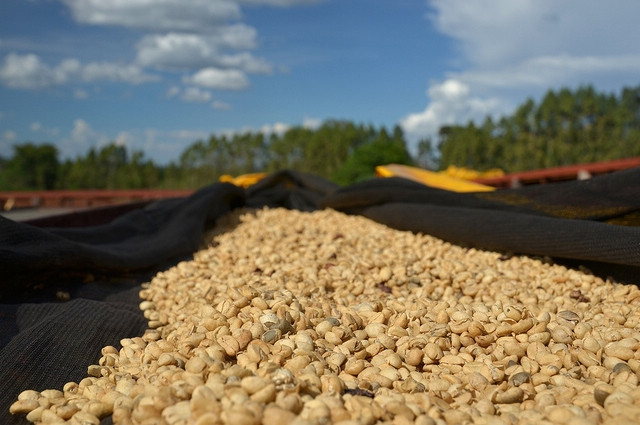
Famous Ethiopian coffee, famous African beans, Ethiopian Sidamo sun-treated lions.
Compared with other coffee-producing countries, the coffee grown in Ethiopia attracts more attention than other coffee-producing countries, including Gemma Jimbi, Harald, Limuyegechefi and other varieties. In addition, Ethiopia is the home of the world's earliest coffee, the ancient Abyssinia coffee. So, the current situation of coffee cultivation in Ethiopia is

Why are the coffee beans of Yega Xuefei and Sidamo uneven in size, which means that there are many defective beans?
[preface] some time ago, some fans told us that Ethiopian beans are large and small, very uneven, and the defect rate is high. I think maybe we should figure out why the shape of Ethiopian beans is uneven and what is called defective beans. Why are Ethiopian coffee beans always big and small? The coffee beans in Ethiopia seem to be of different sizes

Ethiopian coffee flavor Ethiopian coffee characteristics Ethiopian coffee taste
Ethiopia has unique natural conditions suitable for growing all imaginable varieties of coffee. As a upland crop, Ethiopian coffee beans are mainly grown in areas between 1100 and 2300 meters above sea level, roughly distributed in southern Ethiopia. Deep soil, well drained soil, weakly acidic soil, laterite and soil are soft and contain

Ethiopian Coffee | Kafa Forest Coffee | characteristics of Ethiopian coffee beans
Professional coffee knowledge exchange more coffee bean information please follow coffee workshop (Wechat official account cafe_style) Kafa primeval forest ecological area (Kafa Forest) Wild Grown wild cultivated varieties country: ETHIOPIA Ethiopia grade: forest wild planting Wild Grown Kafa Forest Coffee producing area: Kafa primeval forest In der Provinz

Flavor description of Ethiopian Coffee Manor Variety characteristics introduction of Fine Coffee beans in producing areas
A large amount of coffee production (95%) is done by small shareholders, with an average yield of 561 kg per hectare. For centuries, minority holders of Ethiopian coffee farms have been producing a variety of high-quality types of coffee. The secret of producing high-quality coffee is that coffee growers have developed environmental conditions through generations of repeated learning about the coffee planting process.

Ethiopian Sidama G1 Coffee Bean Grades
Ethiopian sidamo G1 grade of coffee beans washed sidamo green beans are pale green, citrus notes are evident on the palate with a hint of berry fruit, and pleasant elegant sour, grape sweet and chocolate aftertaste washed coffee flavor less wild flavor, with a clean, refreshing character, suitable for City to Full City roasting degree; some excellent in nature

High-quality coffee flavor description of Ethiopian Yega Ficher Manor Coffee
Ethiopia is the hometown of coffee. If you don't think Ethiopian coffee is the best coffee in the world, you don't know enough about coffee. At present, there are three most important origin of coffee beans in the world, namely: Arabica, Robasta and Liberia. And many people don't know that this Arabica coffee tree accounts for 70% of the world's coffee production.